Showing posts with label sleep better. Show all posts

Wednesday, October 3, 2018

The Science of Slumber: Sleep and Health

www.Ask the Scientists.com
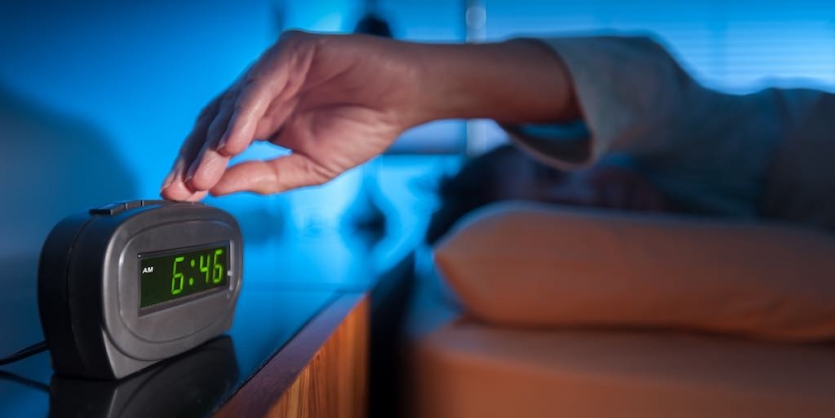


BEEP! BEEP! BEEP! BEEP! An entire night has passed in the blink of an eye. The last thing you remember is your head hitting the pillow in the dark. Now, seemingly seconds later, the incessant, blaring of the alarm clock wakes you. But it does no help in reminding you what day it is, where you are, or perhaps even who you are.

Surely, you’ve experienced a morning like this: groggy, confused, and sleep-deprived. The effort to keep your eyes open feels exhausting. Standing up and leaving your warm bed behind is torturous. The day’s long to-do list awaits you and seems daunting.

Of course, you soldier on and make it through the day. But what does that day look like? It’s surely not smooth sailing, all quiet keyboard clicks and soothing, classical music. No, on days like this, you’re more likely to hear a cacophony of noises—the cell phone ringing, inbox pinging, and doors slamming after you in a hurry. All whilst trying to drown out the chatter in your head— “Don’t forget to do this!” and “I forgot to do that!”

Foregoing solid, quality sleep can affect your day in a big way. It’s important to remember that the effects of sleep deprivation are not just physical, like the physical feeling of exhaustion. Just like the scenario above, low-quality or insufficient sleep can manifest itself mentally and emotionally. That can include a loss of concentration, short attention span, and even anger. Lack of sleep can also mean a lack of motivation and sharp decision-making skills, forgetfulness, and anxiety.

Sleep is important for feeling rested, but it’s more than physical downtime. Sleep is also your brain’s chance to recharge and regroup. Let’s look more in-depth at the physical and mental benefits of regular, quality sleep.

Sleep and Health: The Pros and Cons


Pro of Good Sleep Con of Poor Sleep
Mental Solidifies memory retention and information recall Decreases ability to concentrate
Enhances learning and problem-solving capabilities Poor decision-making skills
Increases alertness Shorter attention span
Boosts creativity Lack of motivation
Promotes adaptability and resiliency Inability to cope with change
Better regulation of emotions Increases risk for feeling down
Physical Maintains cardiovascular health Increases risk for cardiovascular and kidney issues
Helps regulate hormones associated with hunger Increases risk of obesity
Helps maintain normal blood sugar levels Increases risk for blood-sugar issues
Maintains healthy development, muscle growth, and tissue repair Interruption of growth hormone secretion
Supports strong immunity Increases risk of common cold

Science of Sleep: What Happens When You Snooze

Sleep gives your body and mind an opportunity to power down and recharge. It might seem like this period is simply an absence of consciousness, where the body goes into a sort of idling mode. However, during sleep, your body and brain are actually working hard. Sleep activates a process that helps you rest, repair, and recharge. Take a closer look at the processes during the four different stages of sleep.

Stage 1 is the period between wakefulness and sleep. In this stage, everything starts to slow down. Muscles soften, heart and breathing rates decrease, and brain-wave patterns begin to change.
Stage 2 is light sleep. Your muscles loosen even more, heart and breathing rates continue to slow, and your body temperature drops.

Stage 3 is the deepest sleep stage. Here, your heart and breathing rates come to the lowest point of the entire sleep cycle. Your muscles are extremely relaxed and rousing you would prove difficult. It’s this stage that is integral to quality sleep. Without enough time spent in this sleep state, you will not awaken feeling well-rested.

Stage 4 (the final stage of the sleep cycle) is known as REM sleep, or rapid eye movement sleep. The first three stages involve non-rapid eye movement sleep or non-REM (NREM).
In many other ways, REM is also quite the opposite of the preceding three stages. Heart rate increases and breathing rate can quicken and become irregular. Eyes move rapidly behind the eyelids and brain activity livens. Dreaming is commonly experienced during the REM sleep stage. Your body might actually experience temporary paralysis of the limbs, a protective measure to keep the body from acting out movements about which you dream.

These four stages are cycled through in succession until you wake up. It’s necessary for you to experience both NREM and REM sleep to remain sharp through the day. Without both, memory consolidation is harmed. As you’ve surely experienced, after a night of little-to-no sleep, it can be very difficult to recall even simple information quickly.

Factors Impacting Your Sleep

Good sleep can seem like a complex puzzle. Many factors can influence the quality and duration of your sleep. If you have trouble sleeping through the night, try keeping a journal to monitor the factors below. You can jot down notes throughout the day or write a quick summary before bed. Whichever your preferred method, having a daily snapshot of your diet, activity level, and emotional state can give you an idea of which of these things improve or harm your sleep quality:
  • Caffeine: This stimulant usually wakes up the body and can keep you from feeling tired. In fact, caffeine actually blocks the substance adenosine, a chemical that your body secretes to make you sleepy. While this can be a benefit in the morning or during a long day, ingesting too much caffeine in the late afternoon or early evening can affect your sleep.
  •  
  • Alcohol: Drinking too much alcohol too late in the evening can disrupt your sleep patterns. More specifically, it can disrupt your REM sleep, leaving your cycles incomplete. On a simpler level, alcohol is a diuretic, meaning it increases the urge to urinate more frequently. So, having too much alcohol can also disrupt your rest because you might have to make more frequent trips to the bathroom.
  •  
  • Diet: The timing and content of your last meal can affect your readiness for bed. Think of the blood sugar surge that comes from a meal or snack. The boost in energy late in the day can keep you from winding down easily.
  •  
  • Physical activity: Regular exercise can help you maintain a regular sleep schedule. Just don’t exercise too late in the evening before bed, or your body won’t have time to settle back down before turning in.
  •  
  • Stress level and emotional state: Consider how stressful your day was or your emotional state throughout the day. If you’re feeling especially worn down, worried, or otherwise stressed, it can be very difficult to quiet your mind for bed.
  •  
  • Bright lights: You’re constantly being bombarded by light, with can impact production of your sleep hormone. Make sure your room is dark, and take a break from bright screens (TV, phones, and tablets) before you tuck in.

7 Tips for Better Quality Rest

After journaling for a week, you may notice some patterns. Pay close attention to what these clues are trying to tell you. From these, you can create a personalized wind-down plan to prepare you for bedtime. If journaling isn’t your style, or you need some easy ideas, the seven tips for super sleep are below:
  1. Consider cutting back on how much caffeine you drink, or impose a “caffeine deadline”—a point at which you won’t ingest any more for the day.
  2. Drink alcohol in moderation or impose an “alcohol deadline” so that your body has time to readjust before bed.
  3. Avoid eating a meal or post-meal snack too late in the evening.
  4. Exercise regularly, preferably early in the day. A good starting point is 20 minutes per day—and work up from there.
  5. Plan for at least seven hours of sleep. You may need more than seven. But this is a good target to work up to if you’re currently and routinely getting less than this benchmark. While you may not be able to reach seven hours immediately, start incrementally heading for bed sooner so the change is gradual and more doable.
  6. Set a regular bedtime and waking time—and stick to it, even on weekends. This kind of routine is helpful for keeping your body’s internal clock in rhythm.
  7. Incorporate relaxation or meditation into your wind-down routine. Turn off screens, dim your bedroom lights, play light instrumental music. Light stretching can help your body release tension before laying down.


About the Author

Jenna Templeton is a health educator and freelance science writer living in Salt Lake City, Utah. After receiving a bachelor of science degree in chemistry from Virginia Tech, Jenna spent five years as a research scientist in the nutritional industry. This work fueled her interest in personal wellness, leading her to pursue a graduate degree in Health Promotion & Education from the University of Utah. Outside of work, Jenna enjoys live music, gardening, all things food, and playing in the Wasatch mountains.
© 2018 Ask The Scientists. All rights reserved.

Sunday, February 7, 2016

How Losing Weight Can Help Your Health and Happiness in Unusual Ways

Originally posted October 7, 2013

Losing weight is often associated with smaller sizes when you shop for clothes, and being able to bend over more easily to tie your shoes.  But there are more benefits to a healthy weight than that.
deanna working1.  Guess who is sleeping better?  People who get shorter, interrupted sleep tend to weigh more, according to a study from Case Western Reserve University.  Excess weight is linked directly to sleep apnea, a sleep disorder that affects 18 million Americans.  Why?  Extra body fat, especially in the upper body, impedes your respiratory function.  Also, when you snack later at night, your body is working hard to digest it throughout the night, which also interrupts your sleep.
2.  Now your brain is sharper.  A study over 10 years in Neurolgy, studied brain cognition in obese subjects and those of normal weight.  Can you guess the results?  The obese subjects experienced a 22.5 per cent faster decline on their cognitive test scores than those who were of normal weight.  Heart disease and inflammation could be a factor in those scores.  Also, exercise and healthy eating make a decided difference to the brain, so those who are overweight might be neglecting those areas of their lives.
3.  You’ll make more money.  Now that should get your attention.  A study from the University of Florida found women who weighed 25 pounds more than average earned $13,847 less a year that a normal-weight female employee.  Over 25 years, that adds up to a $399,300 difference!  Does this mean employers are discriminating against those who are overweight and therefore underpaying them?  The study doesn’t say why.
4.  You’ll keep more of your money.    When you cut out fast foods, fried foods like french fries, sauces, ice cream, too much cheese and dairy, fatty snacks, you will save money.  Fresh fruit and veggies cost less and don’t contribute to weight gain.
5.  Your skin will be healthier and more vibrant.  Obesity affects hormone levels, contributing to increases in the risk of skin infections, psoriasis and excessive hair growth.  It can also affect your skin barrier function, which can lead to pimples and blemishes and changes to your collagen structure.  I’ve often noticed than when clients lose weight, their skin texture and look improves.
6.  You’ll even see more clearly.  This is a benefit I never considered before, but according to a review in the Survey of Ophthalmology, obesity is linked to cataracts, glaucoma and macular degeneration.  Apparently, obesity increases the odds for oxidative damage, which worsens your vision over time.  In addition to keeping my weight in check, I take Visionex every day, an antioxidant supplement formula designed to protect the delicate tissues of the eye from photo-oxidation.
7.  You’ll be happier and less likely to fall into Clinical Depression.  Researchers at Leiden University Medical Center in the Netherlands aren’t sure whether obesity leads to depression or vice versa, but whatever the truth, people who maintain control over their weight to within a normal range, seem to be happier and less likely to fall into depression.  From a psychological and sociological standpoint, I notice that people generally feel happier with themselves when they lose weight and they feel more acceptable in social circles.  There shouldn’t be judgement on people because of their weight, but sometimes there is.  The most important reason to achieve a normal weight is for long term health of course.
8.  You will have more energy and strength to keep fit.  It’s interesting to see how people who begin to run, cycle, work out in the gym and develop some kind of consistent exercise program, begin to lose weight.  In the process, they gain more energy to continue and to even add to their program.  Before they know it, they are also more fit.
9.  You can earn income promoting weight management programs.  The weight loss industry is in the millions, since 50% of North Americans are either overweight or obese.  A great percentage want to lose at least 5 or 10 pounds, and many need to lose 50 pounds or more.  The program I represent is highly scientific, offering not just products that are helpful, but an exercise program at all levels and suggestions for healthy, low glycemic meals and snacks.
I highly recommend USANA’s RESET and Transformation System to lose weight and keep it off.  Please contact me for further information:
Deanna Waters   watersdd2@gmail.com

Sleeping Beauty: Get Your ZZZ’s with Pure Rest

Fortunately, I’ve never had trouble sleeping. Reportedly, even as a child, my parents never had to fight me to go to bed. Instead, they’d often look around, wonder where I was, and find me snuggled up in my bed already.

Today is no different. I love sleeping and consider myself lucky because, usually, I have no troubles. Except on Sunday nights.PureRest_US_MG_0181_ko_FLAT-XL
I don’t know what it is about the end of the weekend, but I can never sleep. Do you have this problem too? Maybe it’s because I am so excited to come back to work at USANA on Monday! (Okay, probably not, but USANA is a pretty great place to work.)
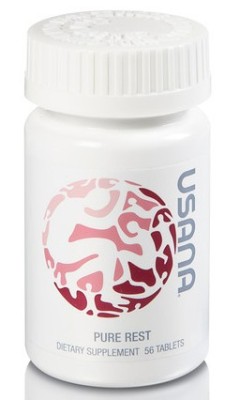
My go-to solution is USANA’s Pure Rest.
Pure Rest is great for occasional sleeplessness. You simply take one of the orange-flavored dissolveable tablets an hour or so before bed. (I just take it when I go to bed — that way I’ll for sure be getting to sleep in an hour or so, if I don’t fall asleep sooner.) Pure Rest will augment your natural melatonin, which regulates your sleep cycle, to help your body know it’s time to shut ‘er down.*
Works like a charm every time.
sleeping girl
Sleep for Your Skin’s Happily Ever After.
On top of the fact that sleep is, like, the best.thing.ever, there are several reasons why you need to ensure you get at least 6 hours of good quality sleep. Your body repairs itself during sleep, so lack of it can be detrimental to your health. Lack of sleep has been tied to compromised immunity, weight gain, and all kinds of nastiness.
Recently, a new study gave us one more reason to focus on getting good-quality ZZZ’s. Researchers at University Hospitals Case Medical Center found that sleep quality impacts skin function and aging.
It’s the ugly truth — not only will you have bags under your eyes the day after too little sleep, you could literally be accelerating the appearance of aging. The study found that poor quality sleepers showed increased signs of intrinsic skin aging, including fine lines, uneven pigmentation, slackening of skin, and reduced elasticity.
As a woman in her late 30’s, I can tell you, these things are no fairy tale people! Go to bed.
If you get better quality sleep, your skin will be able to recover from the things that stress it out. Not to mention, you’ll be better able to deal with the things that stress you out too.
So, if you find that you’re having trouble getting to sleep, give Pure Rest a try before resorting to prescription sleep aids. You won’t get hooked on melatonin — it’s a natural hormone already in your body. And check out the chapter on the bedroom in The Healthy Home for more tips on getting better sleep.
Here’s a video that’ll get you started:
As if you needed any more reasons to take melatonin, check out the results of an interesting new study that explores the relationship between “beige fat” and melatonin.
*These statements have not been evaluated by the Food and Drug Administration. This product is not intended to diagnose, treat, cure, or prevent any disease.
We’re proud to bring you the freshest content on the web! Follow USANA on Twitter, like our USANA Facebook page and enjoy the latest videos on the official USANA YouTube channel.
USANA True Health Foundation
Learn what USANA is doing to make the world a better place.
The future of personalized health and nutrition is now available with USANA’sTrue Health Assessment
For further information:   Deanna Waters   watersdd2@gmail.com
www.ddwaters.com